
HOA Garage Door Rules in Aliso Viejo & Ladera Ranch
Most Aliso Viejo and Ladera Ranch associations require architectural approval before a door changes style or color — like-for-like repairs usually don't. We supply the spec sheets and photos your HOA packet needs, with a Guaranteed ETA of up to 60 minutes for repairs that can't wait.
- ★ 4.9 on Google Reviews
- Guaranteed ETA — Up to 60 Minutes
- Same-Day Service
- Free Estimates
Why Do HOAs Regulate Garage Doors?
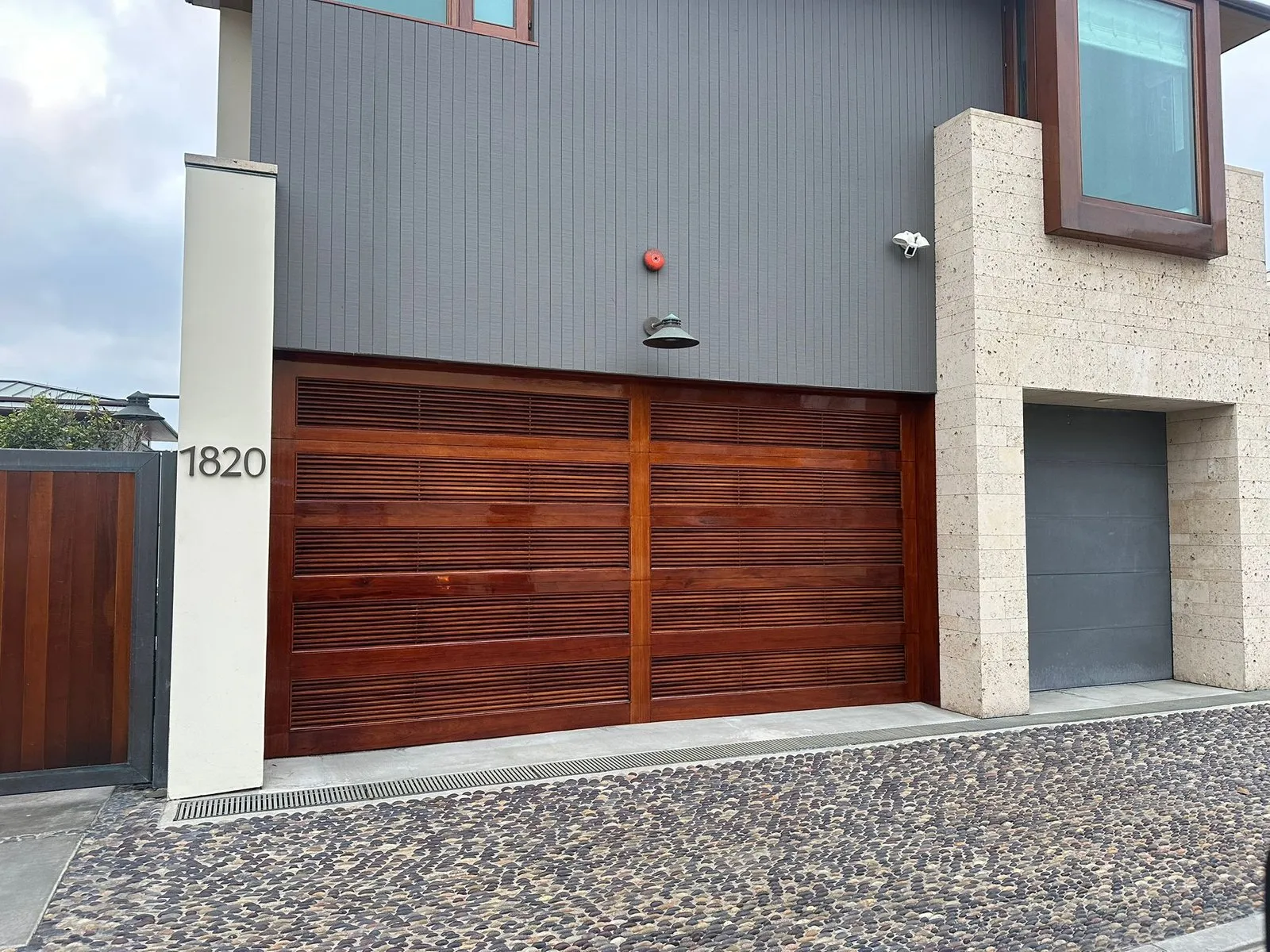
Garage doors take up a third or more of many South Orange County facades, which is exactly why master-planned communities police them. Aliso Viejo and Ladera Ranch were built as planned communities, and most of their associations carry curb-appeal clauses in the CC&Rs: exterior changes — doors included — have to stay consistent with the neighborhood's approved look.
The rules aren't there to make life difficult. A street of mismatched, rust-streaked or brightly painted doors drags perceived value down for every homeowner on it, so associations trade a little paperwork for a lot of consistency. The practical result for you: read the guidelines before you shop, not after the door is ordered.
What Do Aliso Viejo & Ladera Ranch HOAs Typically Require?
One nuance surprises homeowners: even a straight garage door replacement in the same style and color should be confirmed with the association first — some communities only want notification, but a few treat any visible change as reviewable.
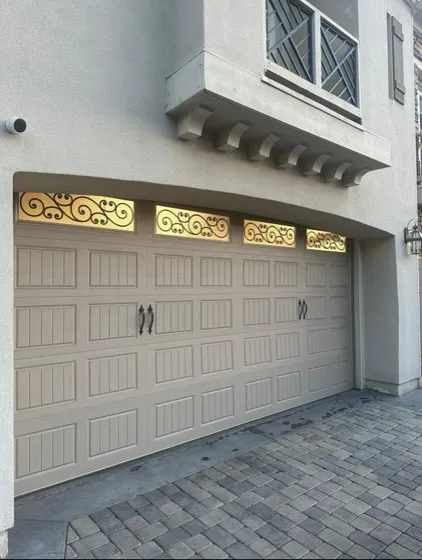
- ✓Style consistency — the door should match the architectural style your tract was built with, from raised-panel traditional to carriage and flush designs
- ✓Color and finish — muted, earthy tones drawn from the community palette; bright colors and raw galvanized finishes usually need special justification
- ✓Window and panel layout — window rows, inserts and panel patterns that mirror neighboring homes
- ✓Material look — steel doors finished to read as wood, or factory colors matched to the home's trim
- ✓Written approval first — an architectural application before work is scheduled, never after
How Does the HOA Approval Process Work?
If the committee pushes back, it's almost always about color or window layout — both are cheap to revise on paper before anything is ordered. We've reworked spec sheets a dozen times without a door changing hands.
Pull your community's guidelines
Find the architectural section of your CC&Rs or design guidelines — it spells out approved styles, colors and any size or setback rules.
Build the application packet
Most associations want a manufacturer spec sheet, a color code or finish sample, a photo or rendering of the exact door, and a simple elevation sketch.
Submit and wait for review
Architectural committees meet on a schedule — most reply within a few weeks. Ask your manager for the meeting calendar so you can plan installation timing.
Schedule the install
Once approved, we install in a single day and haul away the old door — your packet's conditions are satisfied and the file closes.
Which Garage Doors Usually Pass HOA Review?
A note on modern garage doors: dark flush-panel and wood-slat designs are the fastest-growing request we get in both cities, and associations are warming to them. A well-documented application in muted charcoal or bronze now clears committees that would have balked a few years ago.
| Door Choice | Typical HOA Result | Why It Passes |
|---|---|---|
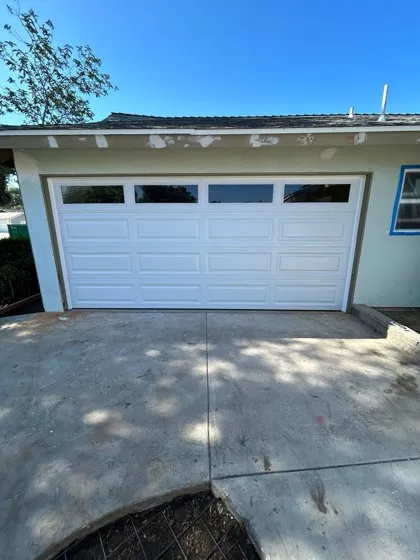
| Insulated steel raised-panel in muted tones | Usually approved | Matches the tract-original look and adds energy comfort |
| Wood-look steel (faux wood) in earth finishes | Usually approved | Reads as the wood the guidelines imagined, without the upkeep |
| Decorative windows matching neighborhood patterns | Usually approved | Consistent with the streetscape the committee protects |
| Modern flush designs in dark, muted colors | Case-by-case | Increasingly accepted on updated homes — pair with a spec sheet |
| Bright colors, raw metal or mismatched windows | Often flagged | Breaks the community palette — expect a request to revise |
How We Help With Your HOA Paperwork
Order a door through us and the HOA packet comes assembled: the manufacturer spec sheet for the exact model (Clopay, CHI and Amarr documentation included), factory color codes and finish samples, high-resolution photos of the same door installed in similar tracts, and a written scope of work your committee can staple to the application. If your reviewer wants anything else, our office handles the revision.
Because the door is only half the project, we time the install around your approval date — never before it. And the documentation is free: it's part of every free on-site estimate for a new garage door, whether or not you end up ordering.
Got a Violation Notice for a Damaged Door?
It happens fast: a spring snaps, the door sits crooked, and a neighbor's complaint turns into a formal HOA notice with a deadline. This is the easy case — repairs that restore the door to its original look generally don't need architectural approval, and most associations will hold the violation once you show a work order.
Call us the day the letter arrives. A licensed garage door repair visit restores the original appearance — springs, cables, matching panels, dents — usually the same day, with a Guaranteed ETA of up to 60 minutes when the notice has teeth. We can email the completed work order straight to your association so the file closes itself.
More Garage Door Buying Guides
Planning a full door project? Start here: Once your HOA signs off, installation is a one-day job — modern insulated designs pass most architectural reviews fastest.
Related Garage Door & Gate Services
HOA Garage Door FAQs
In most Aliso Viejo and Ladera Ranch associations, yes — any visible change to style, color or material needs architectural approval first, and some require notification even for like-for-like swaps. Check your CC&Rs before ordering; we provide the spec sheets, color codes and photos your application needs at no charge.
Muted, earthy tones that match the community palette pass most easily — whites, tans, grays, bronzes and wood-look finishes. Bright colors, raw metal and high-contrast window patterns are the usual reasons applications get flagged. Your association's design guidelines list the approved palette, and we match factory finishes to it.
Most architectural committees respond within a few weeks, though meeting schedules vary by association. Submitting a complete packet — spec sheet, color sample, photo and scope of work — is the single biggest time-saver. We assemble that documentation for you and revise it quickly if the committee requests changes.
Repairs that restore the door's original appearance — springs, cables, rollers, matching panels — generally don't require approval. Replacing a single panel with a matching section is routine. When in doubt, ask your manager in writing; we can supply the work order and product details to close out a violation notice.
Increasingly, yes. Dark flush-panel and wood-slat designs are common requests in both cities, and committees approve them case-by-case when finishes stay muted and the application is well documented. We'll tell you honestly how similar doors have fared and prepare a spec sheet that answers the committee's usual questions.
Fines typically escalate monthly, and serious cases can move to hearings or liens — far costlier than the repair itself. Since most door violations stem from damage or wear, a same-day repair often resolves the notice outright. Send us the letter and we'll handle both the fix and the paperwork.
Garage Door or Gate Trouble? We're On Our Way.
Open 24 hours · Free estimates · Guaranteed ETA of up to 60 minutes, anywhere in Orange County.